Fun Typing is a collection of microcontroller projects emulating different text-input methods, bringing together the history of typing keyboard, communication methods, and different gestures of interaction.
Piano keyboard 🎹
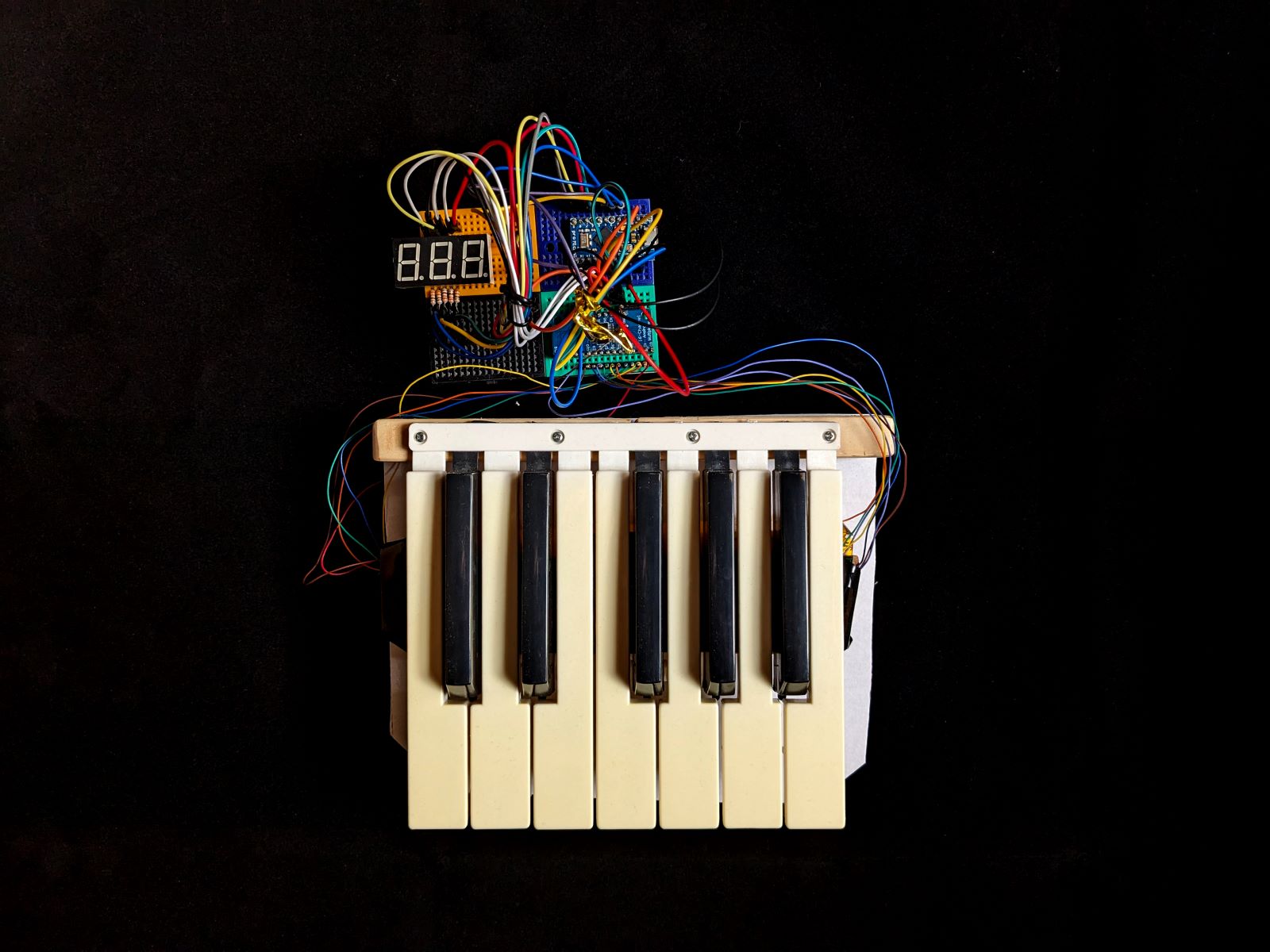
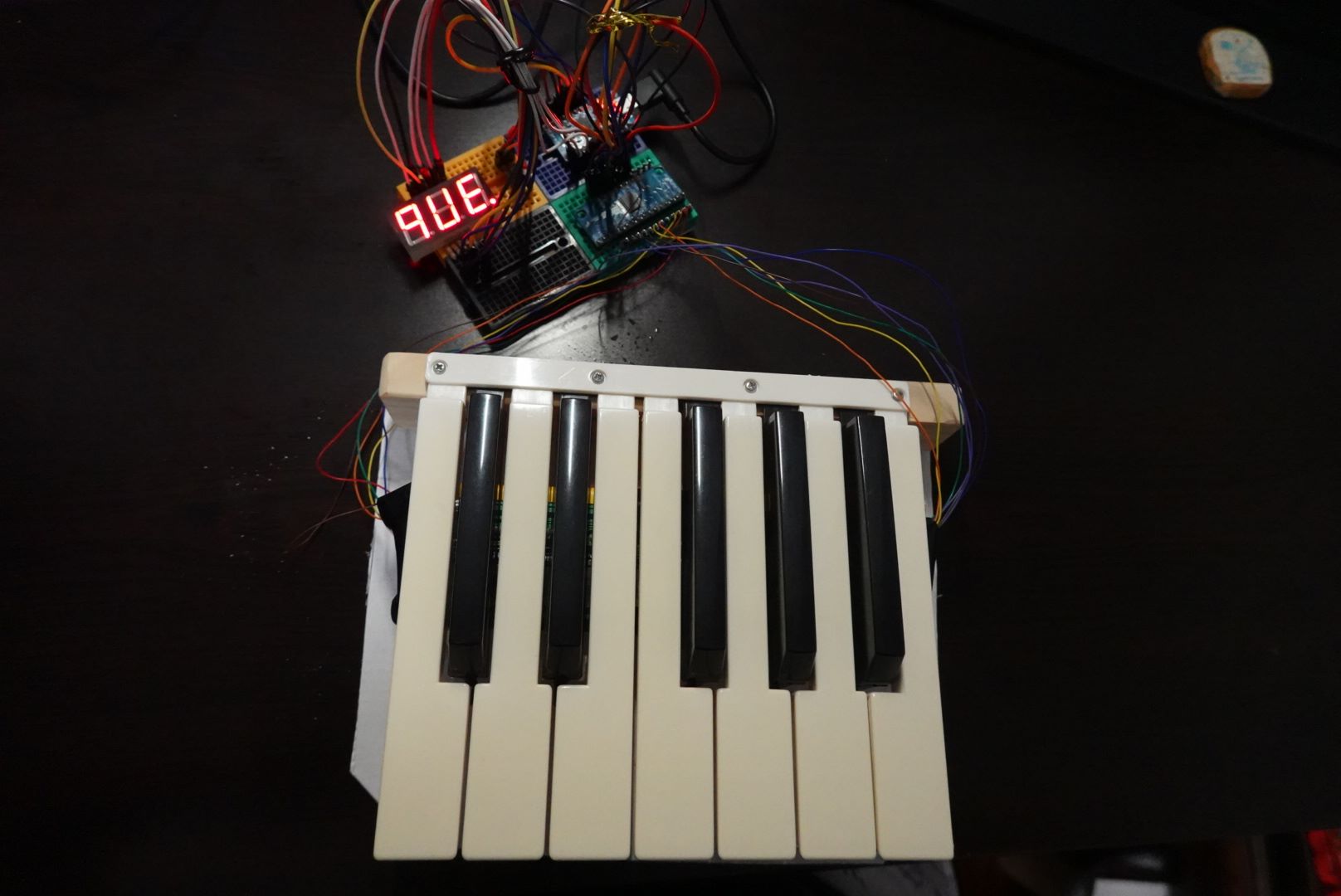
While piano keys have been used in prototype typewriters dating back hundreds of years, I couldn't find specific documentation on how the letters were mapped when using a small amount of keys, which I could emulate in this project. So I am using a slightly cumbersome method: I'm using one octave or 12 keys for input. Each character is typed with a combination of black (or the lack of) and white keys. The black keys indicate the rows, and the white ones are the columns. The combinations allow for letters from A to Z, numbers 0 to 9, a decimal point, and the rest can be used as spaces.
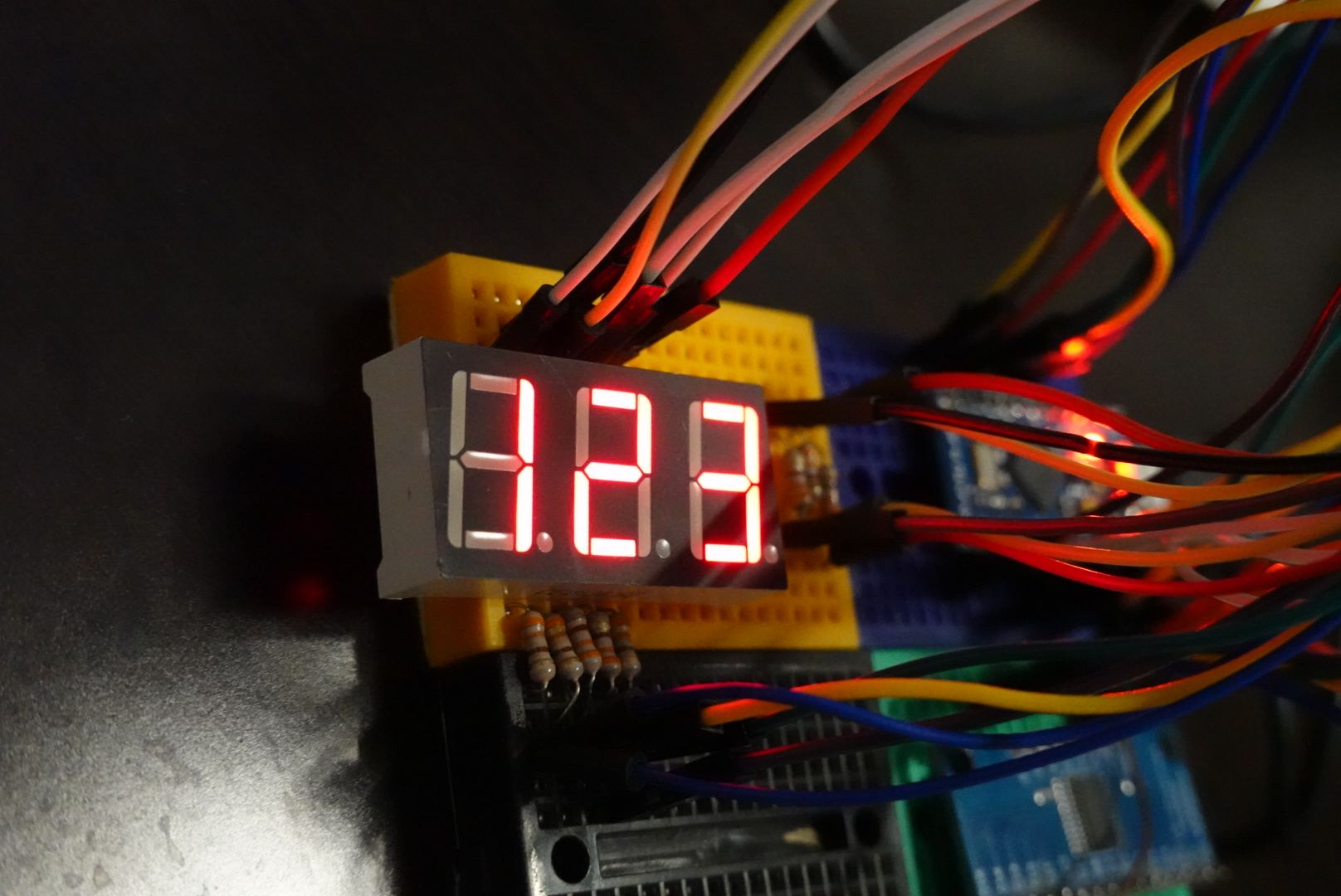
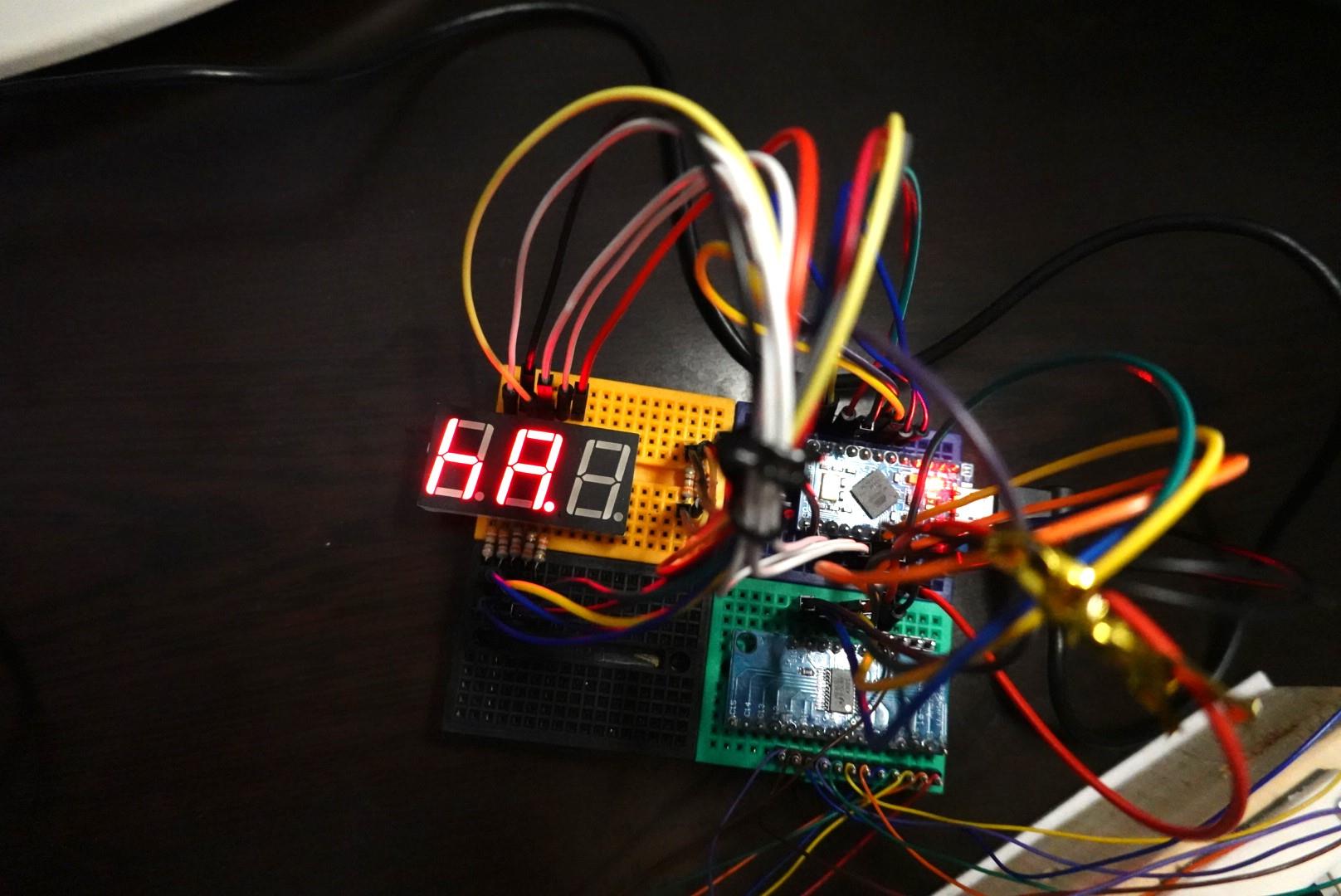
Using: the keys, the chopped pcb with conductive silicone buttons, the 3-digit 7-segment LED display, and the resistors are ripped from a keyboard I found in the recycling. Also using: Pro Micro and CD74HC4067 multiplexer.
8-key typewriter based on New York Point 📇
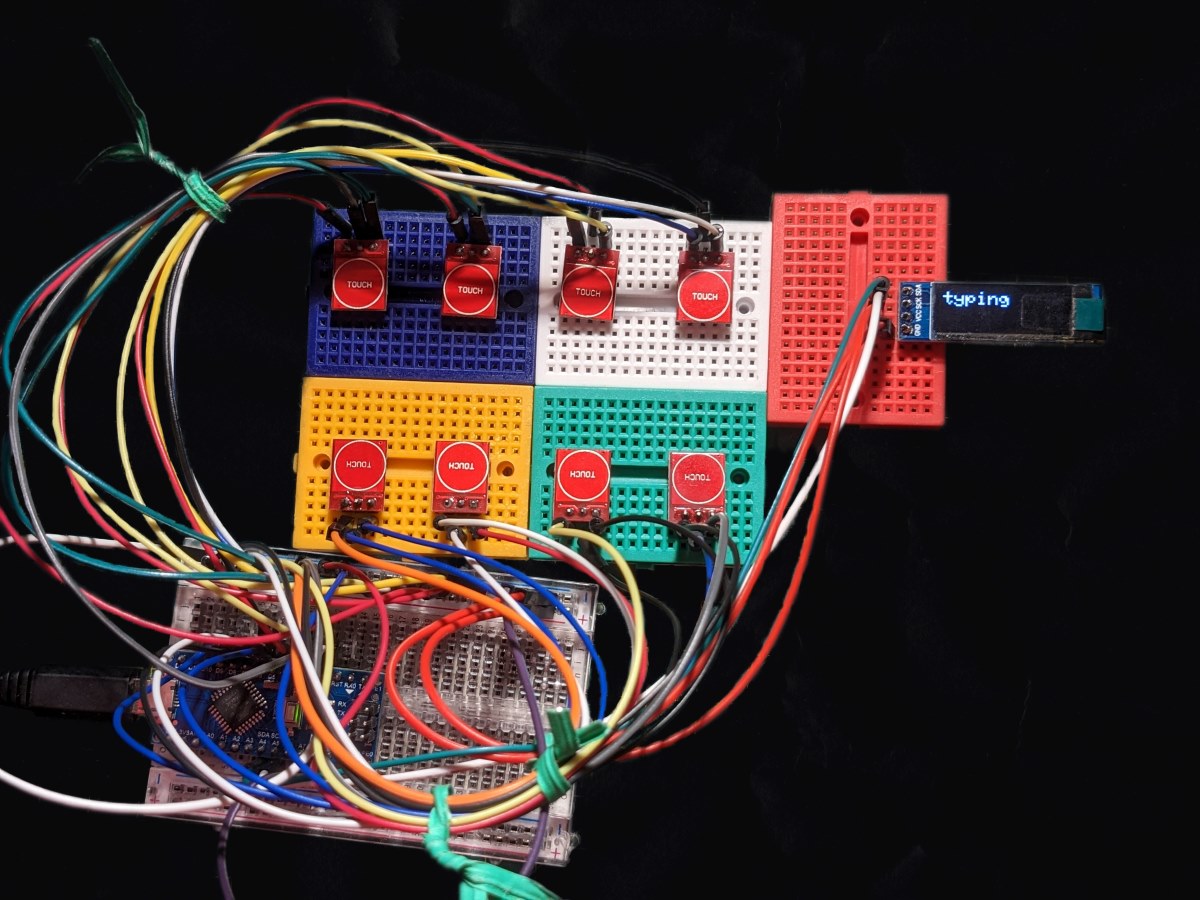
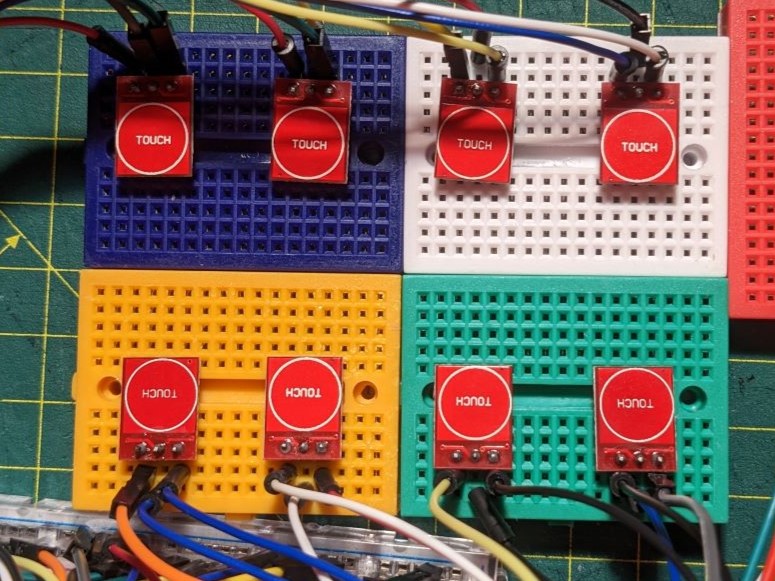
8-key typewriter based on New York Point, a 4x2 dots braille-like tactile writing system used around 1900s, with a full set of capital letters (rather than a capital indicator). Here, each touch sensor represents a dot in the writing system.
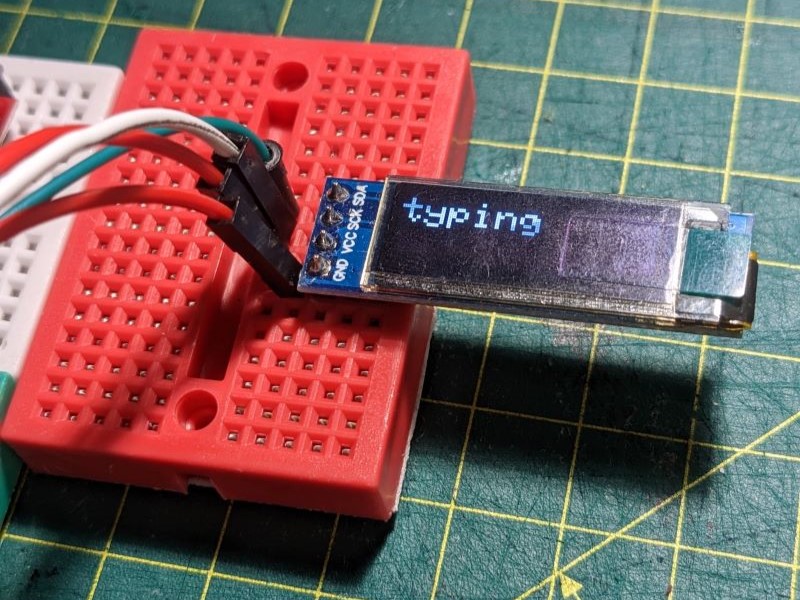
Using: OLED, TTP223, Arduino Nano
Light sensor tap code typewriter 🔔
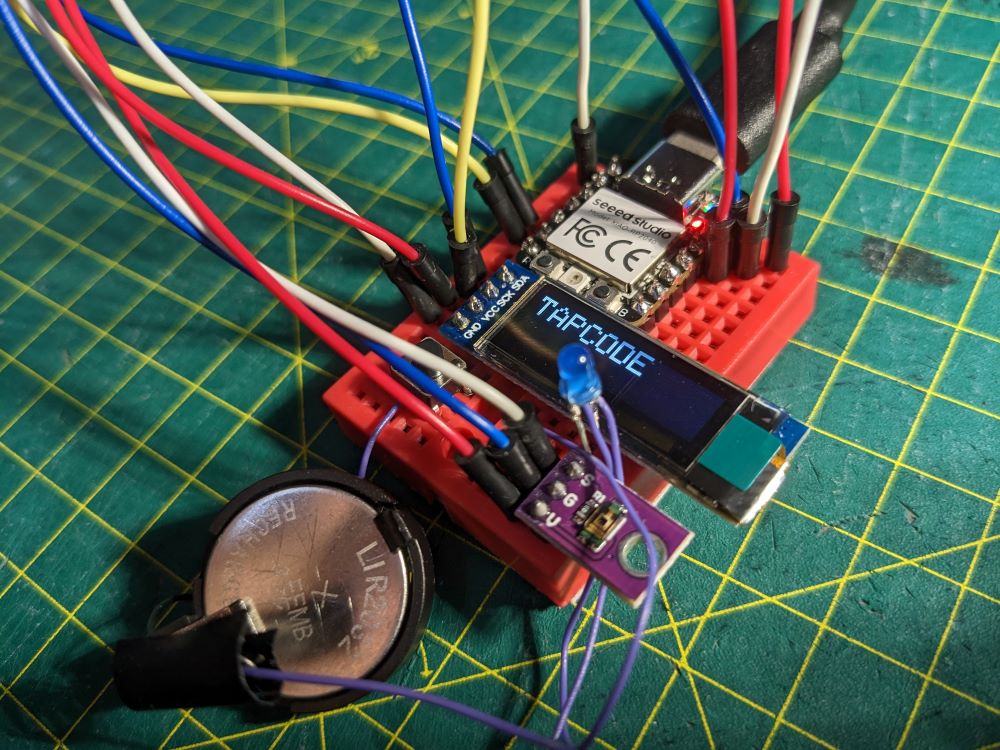
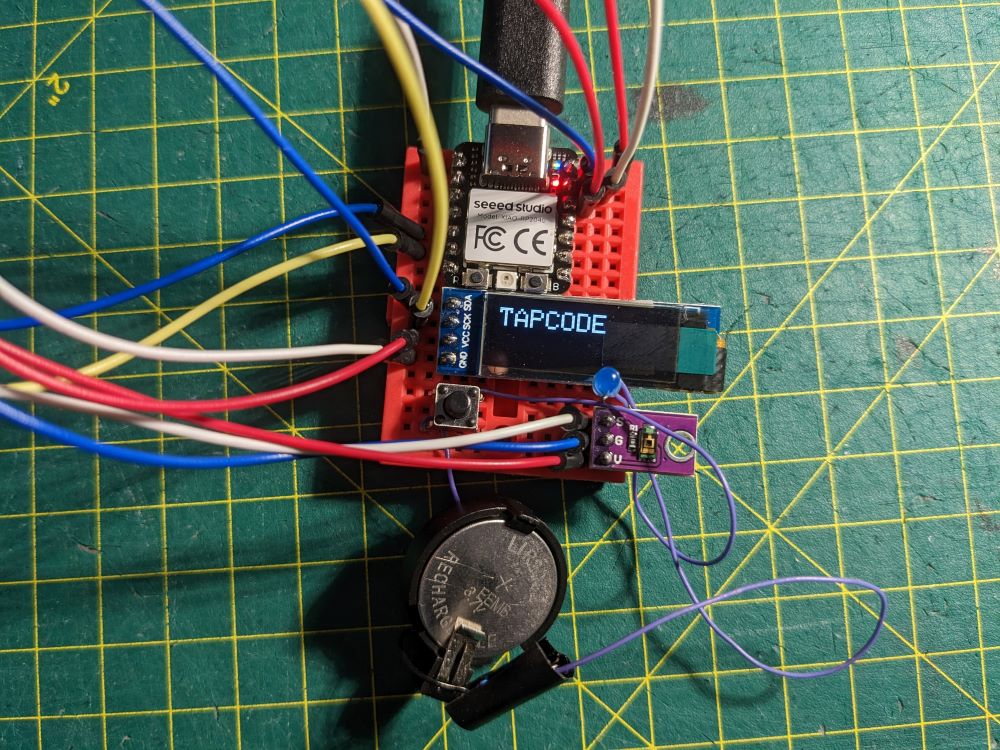
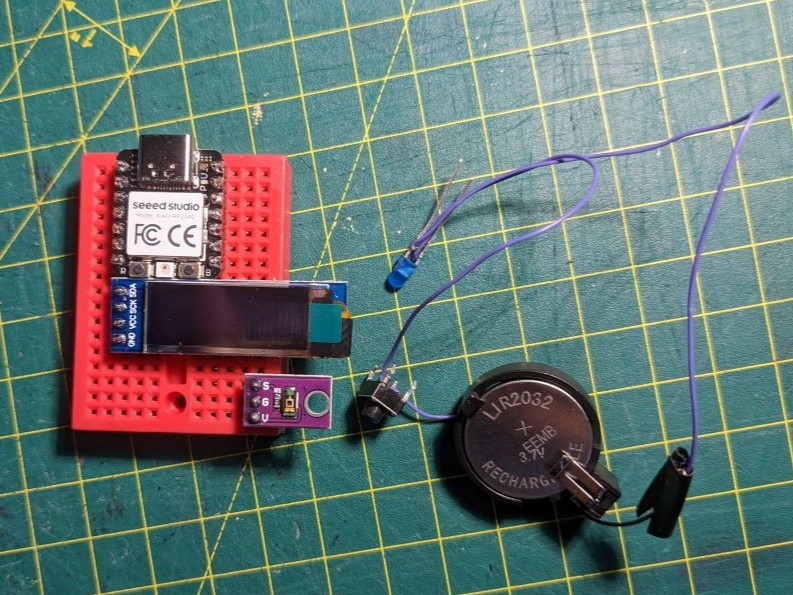
Tap code is a single-input way to represent the latin alphabet. Each letter is represented by two numbers, each from 1 to 5 with a pause in between, allowing a total of 25 letters (K is represented by C). Instead of the tapping sound traditionally used, I am tapping to turn on an LED, together with a light sensor, for better visualisation.
Using: Seeed Studio XIAO RP2040, TEMT6000, Oled
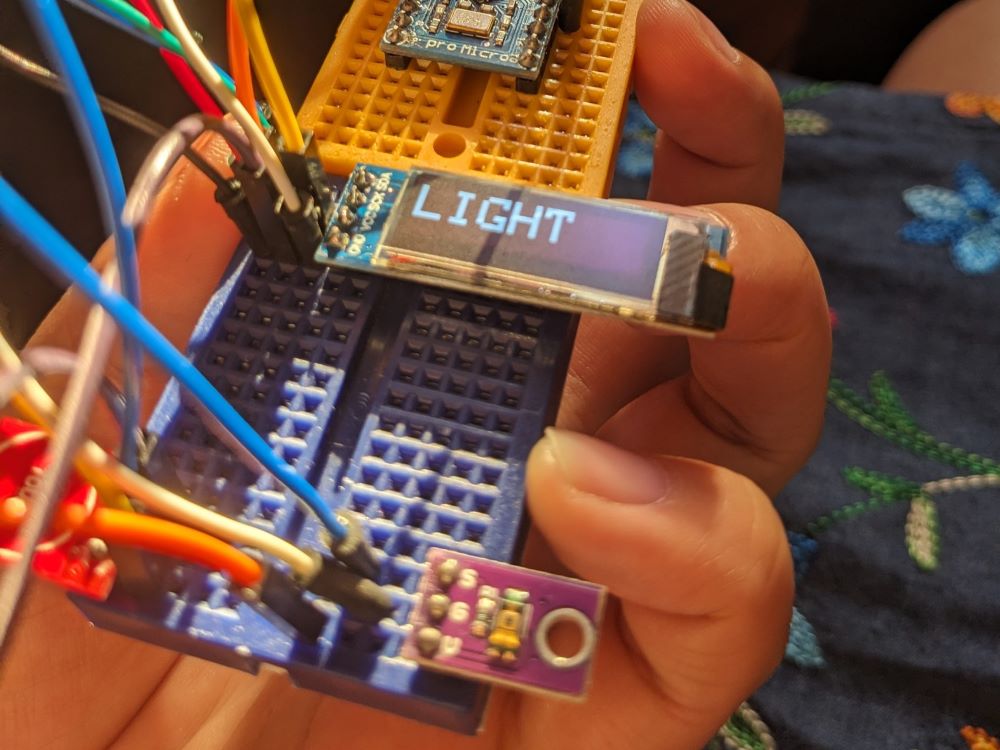
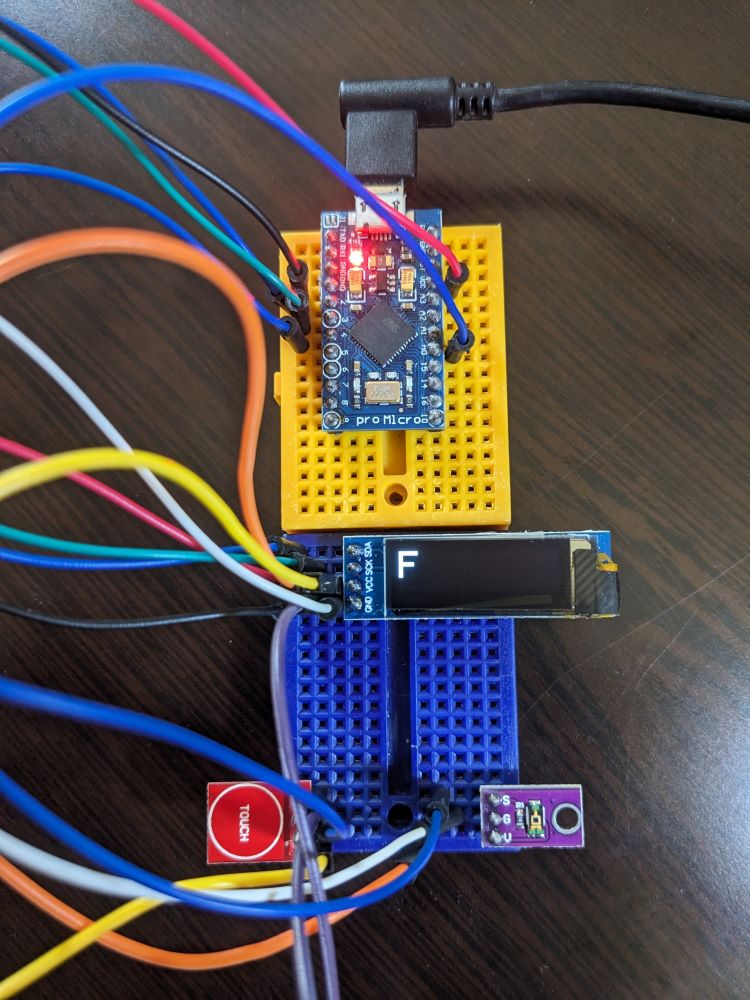
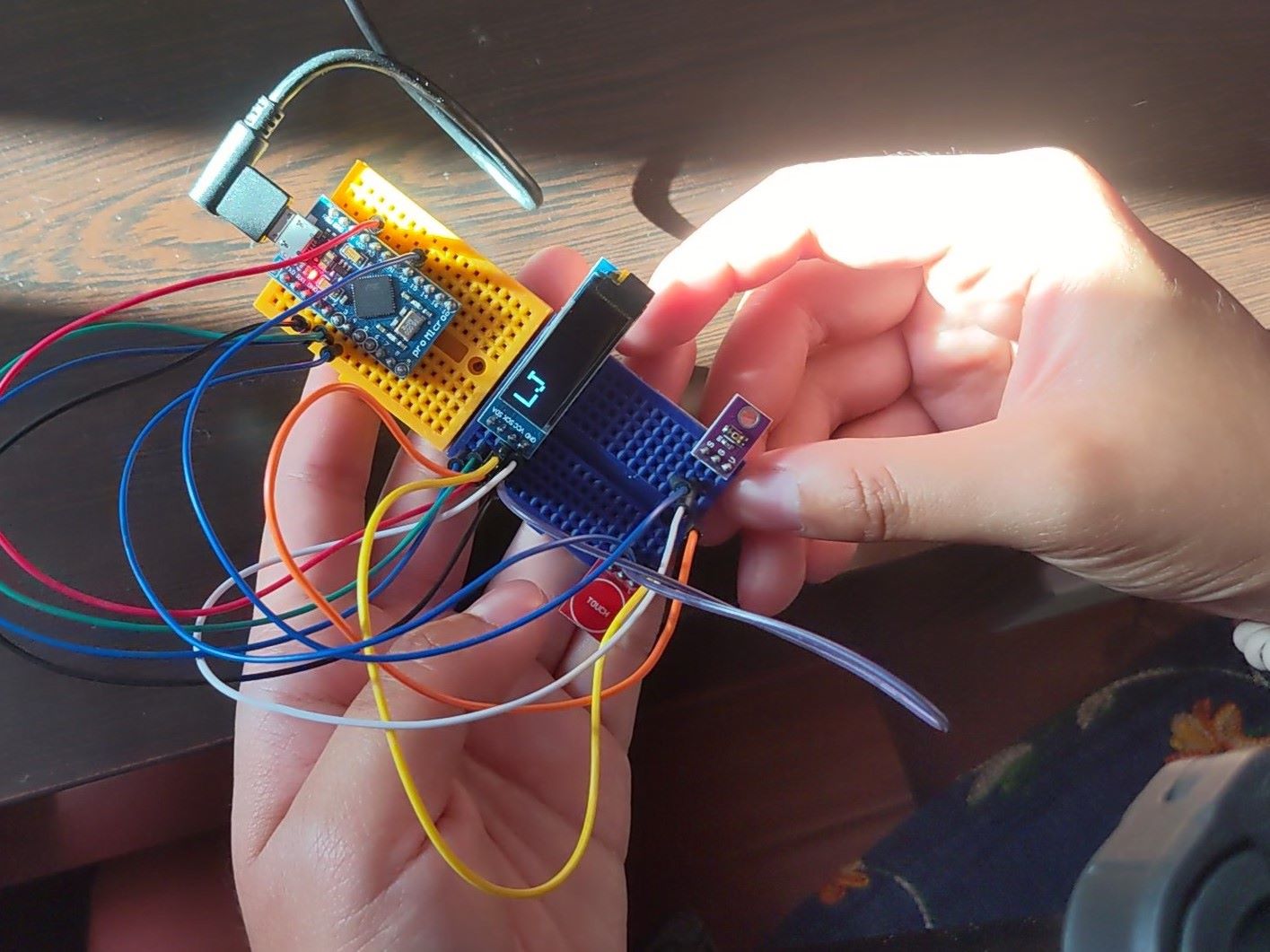
Ambient light sensing typewriter or musical instrument ☀️
A fun way to play with light, I am using the registered lighting strength to control which letter it lands on. I’ve also created a MIDI mode where it can be used as a musical instrument where the luminosity controls the note.
Using TEMT6000, TTP223, OLED, Pro Micro
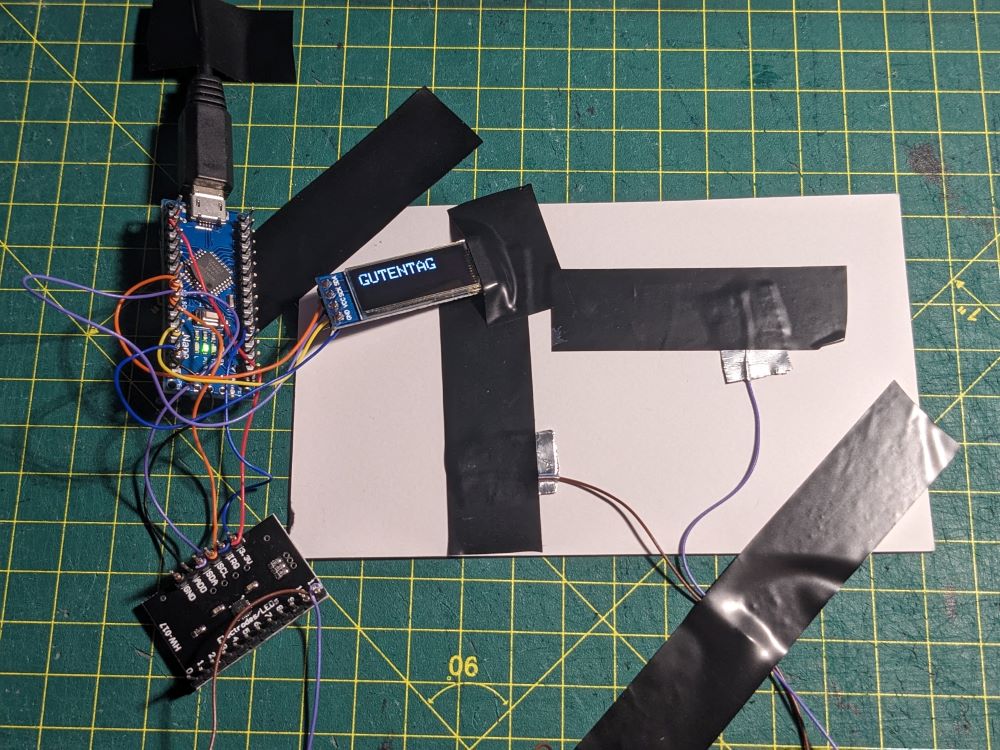
2-input tinfoil typewriter based on Morse code 📞
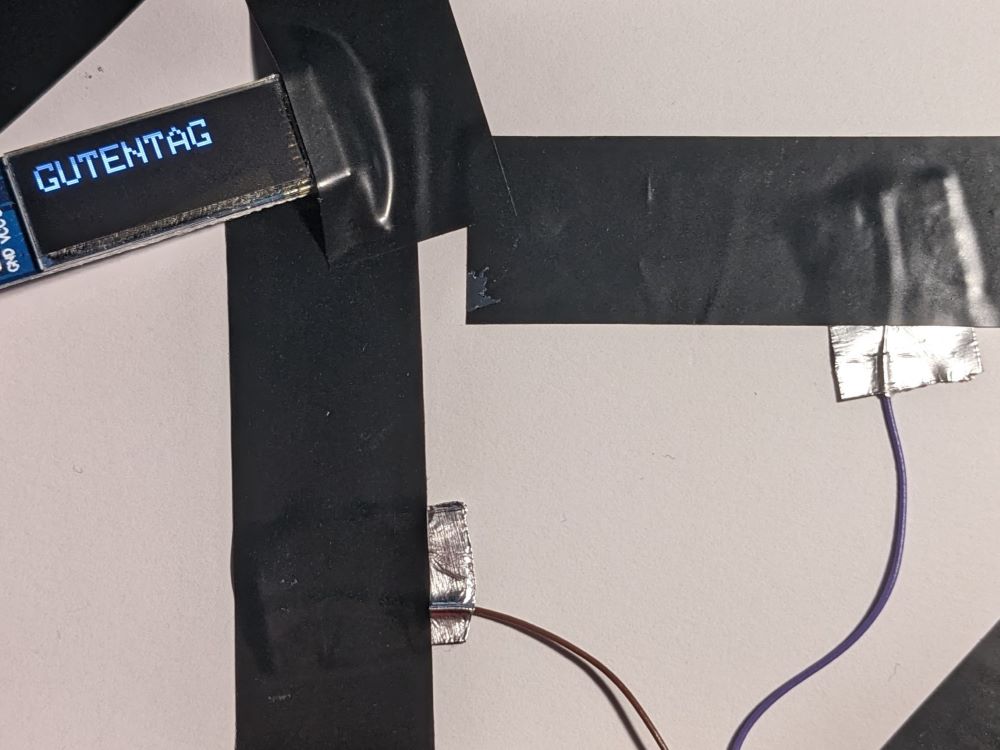
I separated the single-input Morse code into the two 2 pieces of touchable tinfoils respectively representing a dot and a dash. A letter is recorded when both fingers are lifted.
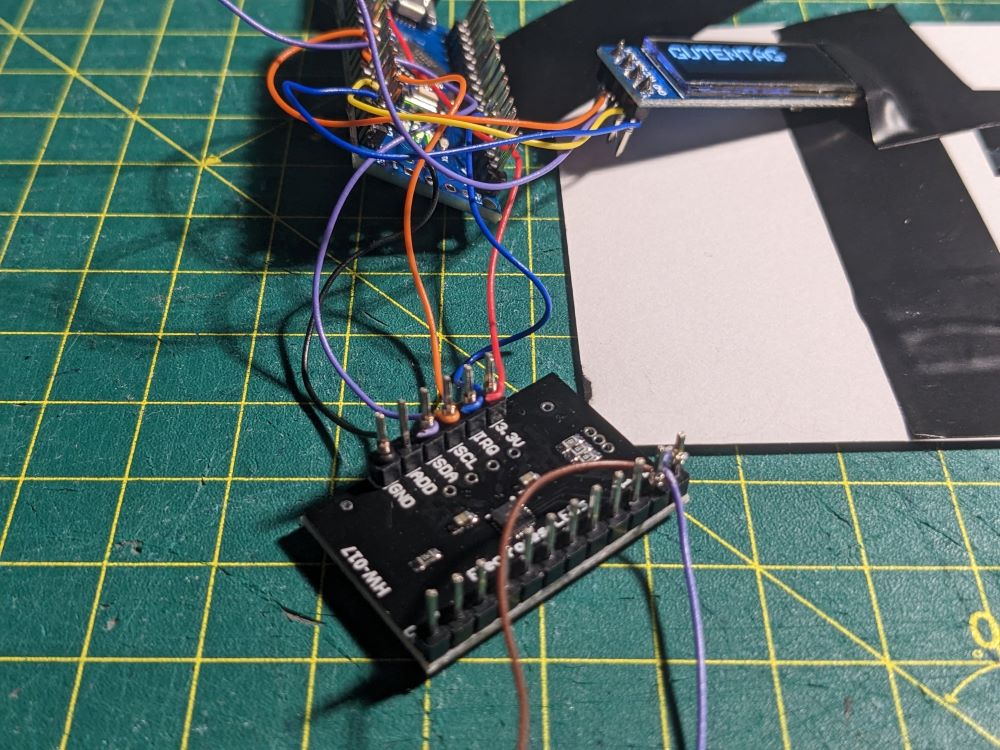
Using: Arduino Nano, MPR 121, Oled
Rotary Typewriter ⚙️
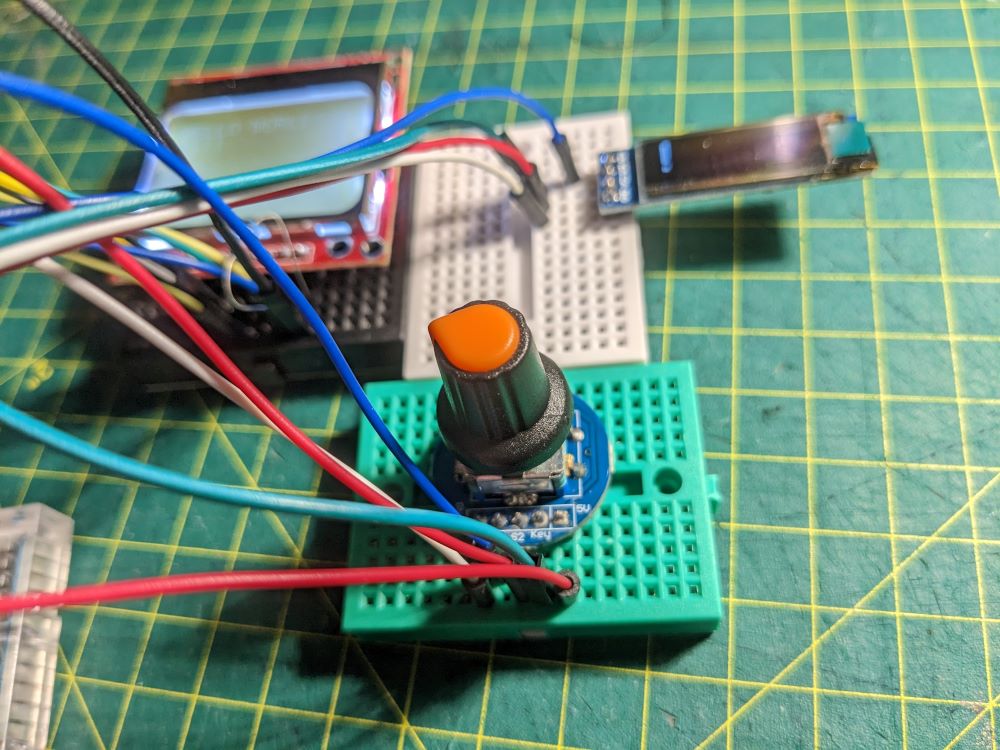
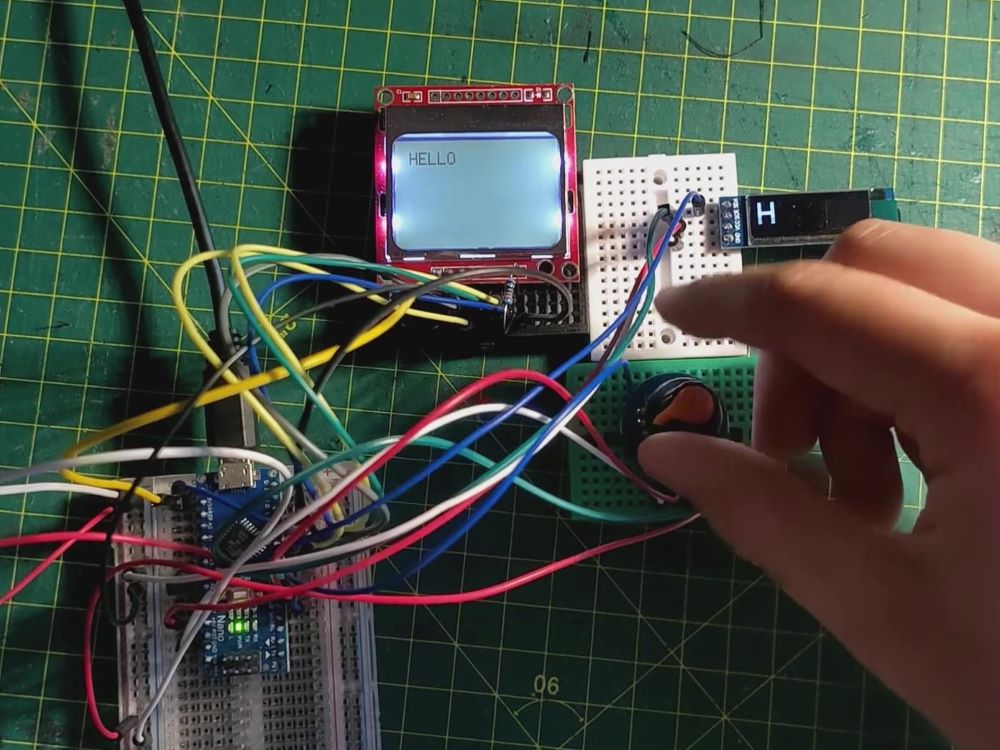
The rotary encoder allows rotating for scrolling through the letters and pressing for selection.
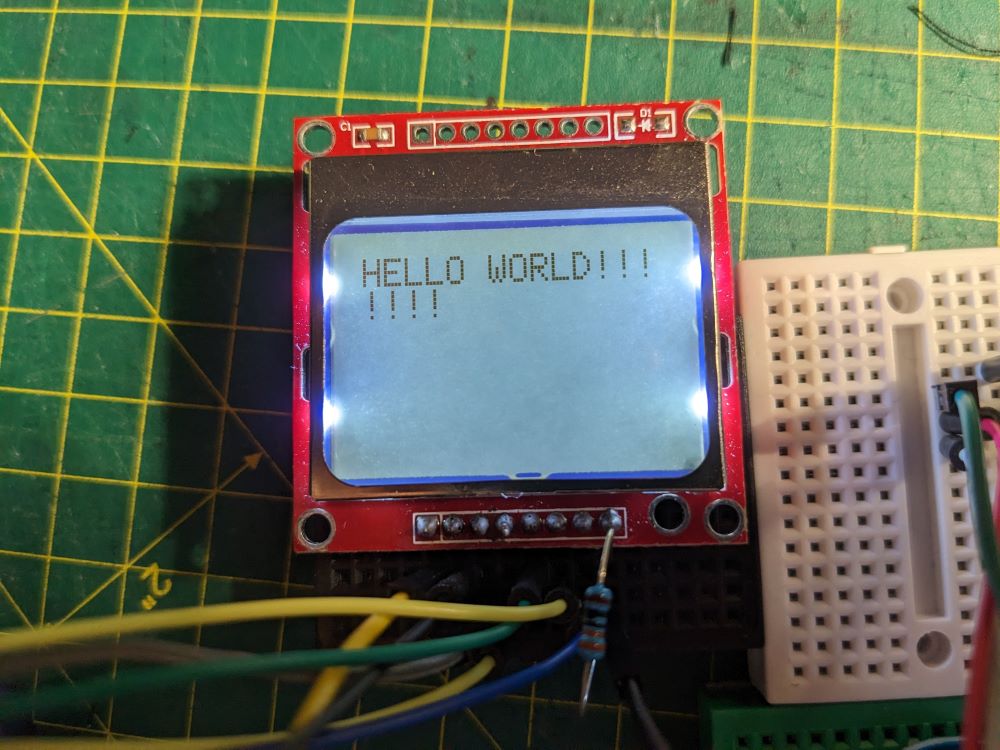
Using: OLED, Nokia LCD, rotary encoder, Arduino Nano